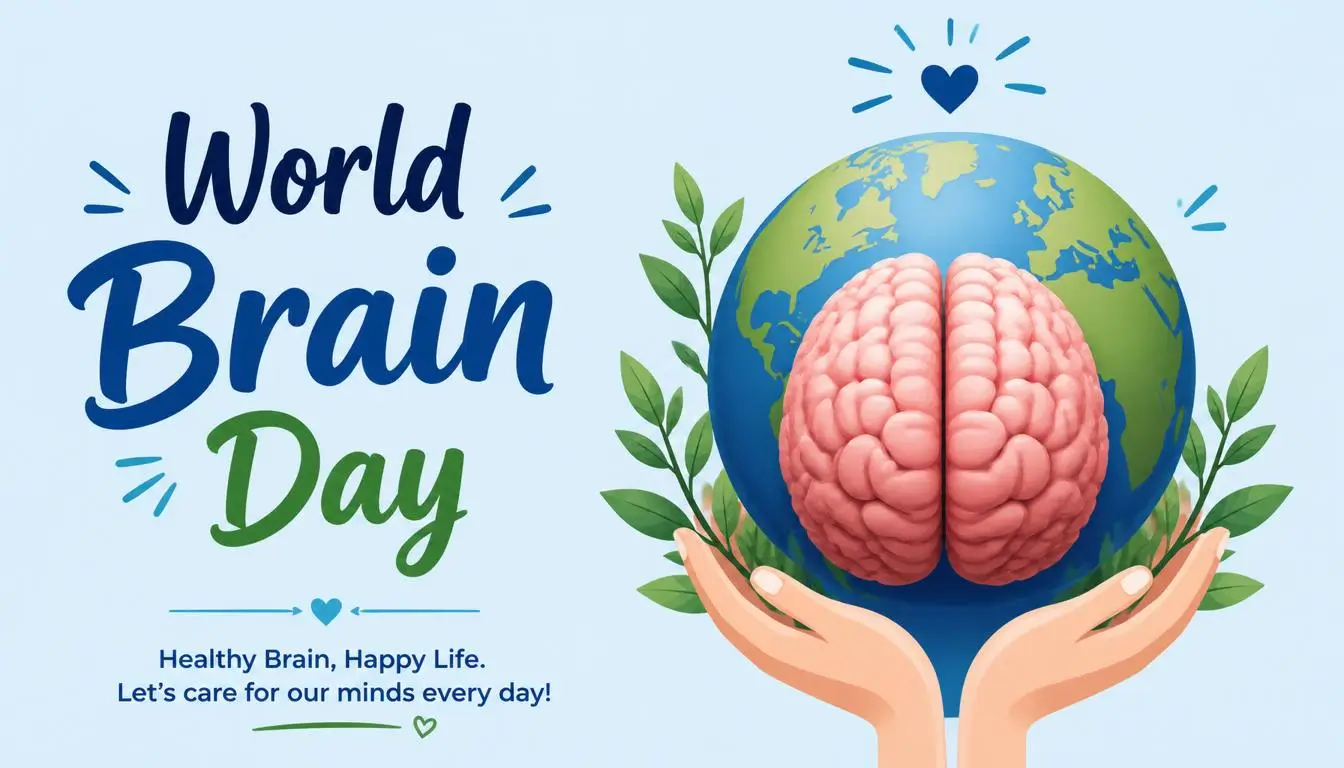
World Brain Day is celebrated every year on July 22 to raise global awareness about the importance of brain health and the prevention of neurological disorders.
World Brain Day reminds people that a healthy brain is essential for learning, working, communicating, and enjoying life. The campaign encourages individuals to adopt healthy habits such as eating a balanced diet, staying physically active, getting enough sleep, managing stress, and exercising the mind.
It also highlights the need for early diagnosis, quality healthcare, and ongoing research to improve the lives of people living with brain-related conditions.
Whether you’re looking for the World Brain Day 2026 theme, celebration ideas, wishes, or brain health tips, this guide covers everything you need to know while inspiring you to protect and prioritize your brain health.
History of World Brain Day
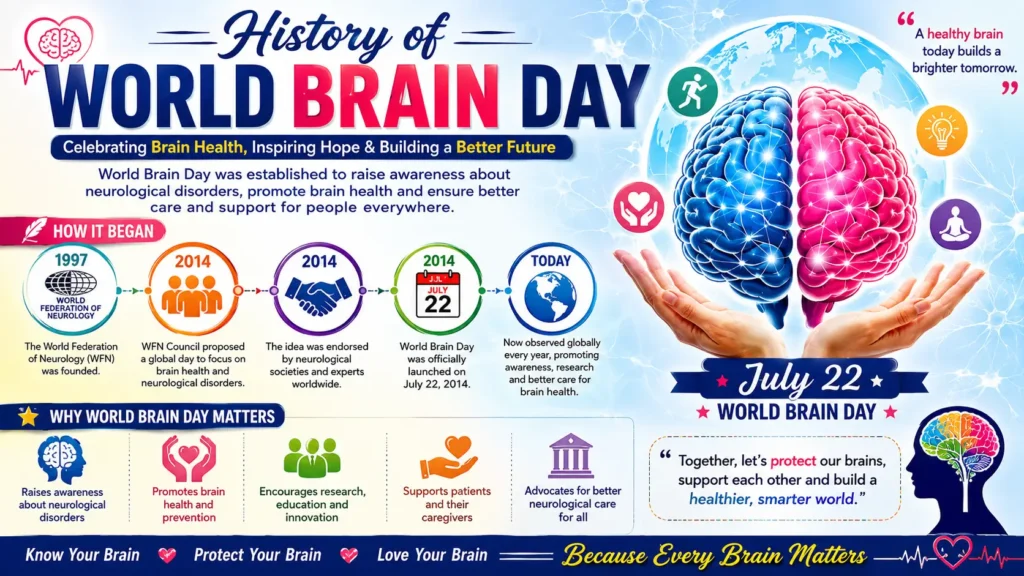
World Brain Day was established by the World Federation of Neurology (WFN) to increase global awareness of brain health and the impact of neurological disorders. The initiative was first observed in 2014 after the WFN decided to dedicate an annual day to educating people about the importance of preventing, diagnosing, and treating diseases that affect the brain and nervous system.
Since its launch, World Brain Day has been celebrated every year on July 22, bringing together neurologists, healthcare professionals, patient organizations, governments, and communities from around the world.
Each year, the campaign focuses on a specific theme that highlights a major neurological condition or brain health priority, encouraging education, research, early diagnosis, and better access to care.
Over the years, World Brain Day has grown into a global awareness movement, inspiring millions of people to learn about brain health, adopt healthier lifestyles, and support those living with neurological conditions.
Through educational events, public campaigns, webinars, social media initiatives, and community programs, the day continues to promote the message that protecting brain health is essential at every stage of life.
Common Brain Disorders and Neurological Diseases
The brain controls every function of the body, from movement and memory to emotions and decision-making. When the brain or nervous system is affected by disease or injury, it can lead to neurological disorders that impact daily life. Understanding these conditions can help with early diagnosis, treatment, and better management.
1. Stroke
A stroke occurs when blood flow to the brain is interrupted, either by a blockage (ischemic stroke) or bleeding (hemorrhagic stroke). It is a medical emergency that requires immediate treatment.
Common symptoms:
- Sudden numbness or weakness
- Difficulty speaking
- Vision problems
- Severe headache
- Loss of balance
2. Alzheimer’s Disease
Alzheimer’s disease is the most common form of dementia. It gradually damages memory, thinking, and behavior, primarily affecting older adults.
Symptoms include:
- Memory loss
- Confusion
- Difficulty solving problems
- Personality changes
- Trouble completing familiar tasks
3. Parkinson’s Disease
Parkinson’s disease is a progressive neurological disorder that affects movement due to the loss of dopamine-producing brain cells.
Common signs:
- Tremors
- Muscle stiffness
- Slow movements
- Balance problems
- Changes in speech
4. Epilepsy
Epilepsy is a neurological disorder that causes recurring seizures due to abnormal electrical activity in the brain.
Symptoms may include:
- Seizures
- Temporary confusion
- Staring spells
- Uncontrolled jerking movements
- Loss of consciousness
5. Multiple Sclerosis (MS)
Multiple sclerosis is an autoimmune disease where the immune system attacks the protective covering of nerve fibers, disrupting communication between the brain and body.
Symptoms include:
- Fatigue
- Muscle weakness
- Numbness
- Vision problems
- Difficulty walking
6. Migraine
Migraines are severe headaches often accompanied by nausea, sensitivity to light, and visual disturbances.
Common symptoms:
- Intense throbbing headache
- Nausea and vomiting
- Light and sound sensitivity
- Blurred vision
- Aura (in some people)
7. Brain Tumors
Brain tumors can be benign (non-cancerous) or malignant (cancerous). They may interfere with normal brain function depending on their size and location.
Symptoms may include:
- Persistent headaches
- Seizures
- Vision or hearing changes
- Memory problems
- Weakness in limbs
8. Dementia
Dementia is a group of symptoms affecting memory, reasoning, and social abilities. Alzheimer’s disease is the leading cause, but other conditions can also result in dementia.
Common symptoms:
- Memory decline
- Confusion
- Difficulty communicating
- Mood changes
- Poor judgment
9. Meningitis
Meningitis is an inflammation of the protective membranes surrounding the brain and spinal cord, usually caused by infections.
Warning signs:
- High fever
- Severe headache
- Stiff neck
- Sensitivity to light
- Nausea and vomiting
10. Traumatic Brain Injury (TBI)
A traumatic brain injury occurs after a blow or jolt to the head and can range from mild concussion to severe brain damage.
Symptoms include:
- Headache
- Dizziness
- Confusion
- Memory loss
- Loss of consciousness
Risk Factors for Brain Disorders
Several factors increase the risk of developing neurological diseases, including:
- Aging
- High blood pressure
- Diabetes
- Smoking
- Excessive alcohol use
- Obesity
- Family history
- Head injuries
- Poor diet
- Physical inactivity
How to Keep Your Brain Healthy
You can reduce the risk of many brain disorders by adopting healthy habits:
- Eat a balanced, brain-healthy diet.
- Exercise regularly.
- Get 7–9 hours of quality sleep each night.
- Keep your blood pressure, cholesterol, and blood sugar under control.
- Stay mentally active through reading, puzzles, or learning new skills.
- Avoid smoking and limit alcohol consumption.
- Wear helmets and seat belts to prevent head injuries.
- Manage stress through relaxation techniques and mindfulness.
When to See a Doctor
Seek medical attention immediately if you experience:
- Sudden weakness or numbness
- Difficulty speaking or understanding speech
- Sudden vision loss
- A seizure
- Severe or unusual headache
- Persistent dizziness or confusion
- Loss of consciousness
Signs of a Healthy Brain
A healthy brain is essential for memory, learning, emotions, movement, and overall well-being. While everyone’s brain ages naturally, certain signs indicate that your brain is functioning well and staying resilient. Maintaining these healthy traits can improve your quality of life and lower the risk of neurological disorders.
1. Sharp Memory
A healthy brain can store and recall information effectively. Remembering names, appointments, and everyday tasks is a positive sign of strong cognitive function.
2. Good Concentration
The ability to stay focused on tasks without becoming easily distracted reflects healthy attention and mental processing.
3. Quick Learning Ability
A healthy brain adapts to new information, learns new skills, and solves problems efficiently, showing strong neuroplasticity.
4. Clear Thinking and Decision-Making
Being able to analyze situations, make sound decisions, and think logically indicates that your brain’s executive functions are working well.
5. Emotional Balance
A healthy brain helps regulate emotions, allowing you to cope with stress, manage anxiety, and maintain a positive outlook.
6. Good Coordination and Balance
Smooth movements, steady balance, and quick reflexes show that the brain is communicating effectively with the muscles and nervous system.
7. Healthy Sleep Patterns
Consistently getting quality sleep and waking up feeling refreshed supports memory, learning, and brain repair.
8. Strong Communication Skills
Speaking clearly, understanding conversations, and expressing thoughts confidently are important signs of healthy brain function.
9. Curiosity and Creativity
Enjoying new experiences, asking questions, and thinking creatively demonstrate an active and engaged brain.
10. Ability to Handle Stress
A healthy brain can recover from stressful situations, adapt to challenges, and maintain emotional resilience.
Habits That Support a Healthy Brain
You can strengthen and protect your brain by practicing healthy lifestyle habits:
- Eat a balanced diet rich in fruits, vegetables, whole grains, healthy fats, and lean protein.
- Exercise regularly to improve blood flow to the brain.
- Sleep for 7–9 hours each night.
- Stay mentally active with reading, puzzles, games, or learning new skills.
- Maintain strong social connections with family and friends.
- Manage stress through meditation, deep breathing, or mindfulness.
- Stay hydrated and limit sugary drinks.
- Avoid smoking and limit alcohol consumption.
- Wear protective gear during sports and while riding bicycles or motorcycles.
- Keep chronic conditions like high blood pressure, diabetes, and high cholesterol under control.
When to Pay Attention
Occasional forgetfulness is normal, but you should consult a healthcare professional if you notice:
- Frequent memory loss that disrupts daily life
- Persistent confusion
- Difficulty speaking or understanding others
- Sudden changes in personality or behavior
- Problems with balance or coordination
- Ongoing severe headaches or seizures
Inspirational World Brain Day Wishes
- 🧠 Happy World Brain Day! May your mind stay sharp, your thoughts stay positive, and your dreams know no limits.
- Wishing you a World Brain Day filled with knowledge, curiosity, and the inspiration to keep learning every day.
- Celebrate the incredible power of your mind today. May your brain remain healthy, strong, and full of brilliant ideas.
- Happy World Brain Day! A healthy brain is the key to a happy life—nurture it with kindness, learning, and self-care.
- Let today remind us that every great achievement begins with a single thought. Keep believing in the power of your mind.
- May your brain stay active, your heart stay hopeful, and your spirit stay fearless. Happy World Brain Day!
- Invest in your brain today for a brighter tomorrow. Wishing you wisdom, creativity, and lifelong wellness.
- On World Brain Day, embrace lifelong learning and inspire others to protect and celebrate brain health.
- Every challenge is an opportunity to grow stronger and wiser. Happy World Brain Day to you and your loved ones!
- Your mind is your greatest strength,feed it with knowledge, protect it with healthy habits, and use it to make a positive difference.
- Happy World Brain Day! Stay curious, think creatively, and never stop discovering the amazing potential within you.
- A healthy brain empowers a meaningful life. Wishing you clarity, confidence, and endless inspiration today and always.
- Great minds are built through learning, perseverance, and compassion. Celebrate your amazing brain this World Brain Day!
Happy World Brain Day Messages
- 🧠 Happy World Brain Day! Wishing you a healthy mind, a positive outlook, and a future filled with wisdom and success.
- May this World Brain Day inspire you to care for your brain through healthy habits, lifelong learning, and kindness. Happy World Brain Day!
- Happy World Brain Day! Let’s celebrate the incredible power of the human brain and raise awareness about neurological health.
- Wishing you a day filled with knowledge, inspiration, and a commitment to keeping your brain healthy and active. Happy World Brain Day!
- Happy World Brain Day! May your mind remain sharp, your heart stay hopeful, and your dreams continue to grow.
- Today, let’s recognize the importance of brain health and support those living with neurological conditions. Happy World Brain Day!
- Happy World Brain Day! Every healthy choice you make today is an investment in a brighter and healthier tomorrow.
- May your thoughts be positive, your memories be cherished, and your mind stay strong. Wishing you a wonderful World Brain Day!
- Happy World Brain Day! Take time to rest, learn, exercise, and nourish your brain—it deserves your care every day.
- Let’s work together to spread awareness about brain health and encourage early care for neurological disorders. Happy World Brain Day!
- Wishing you endless curiosity, clear thinking, and lifelong wellness on this special World Brain Day.
- Happy World Brain Day! A healthy brain empowers creativity, resilience, and the ability to make a positive difference.
- Celebrate the amazing gift of your mind by embracing healthy habits and continuous learning. Happy World Brain Day!
- Happy World Brain Day! May your journey be guided by knowledge, compassion, and mental well-being.
World Brain Day Social Media Captions
- 🧠 Your brain is your greatest asset—protect it, nourish it, and never stop learning. #WorldBrainDay
- Healthy brain. Healthy life. Happy World Brain Day! 💙🧠
- Every thought, every memory, every dream begins with a healthy brain. Celebrate World Brain Day!
- Invest in your brain today for a brighter tomorrow. 🌍✨ #WorldBrainDay
- Small healthy habits can make a big difference for your brain. Happy World Brain Day!
- Think smart, live well, and prioritize brain health every day. 🧠💡
- Let’s raise awareness about brain health and support those living with neurological conditions. #WorldBrainDay
- Keep your mind active, your heart grateful, and your future bright. Happy World Brain Day!
- A healthy brain is the foundation of a happy and productive life. 🧠💙
- Feed your brain with knowledge, challenge it with learning, and protect it with healthy choices.
- Every brain deserves care, respect, and attention. Happy World Brain Day! 🌍🧠
- Sleep well, eat well, move more, and think positively—your brain will thank you!
- Celebrate the power of knowledge, creativity, and lifelong learning this World Brain Day.
- Brain health is a journey, not a destination. Start making healthy choices today.
- Strong minds build stronger communities. Happy World Brain Day! 💙
- Knowledge grows when we never stop asking questions. #WorldBrainDay
- Protect your brain today to enjoy a healthier tomorrow. 🧠✨
- One healthy habit at a time can create a lifetime of better brain health.
- Let’s make brain health a priority—for ourselves, our families, and future generations.
- Happy World Brain Day! Think positively, stay curious, and inspire others to care for their brain. 💙🧠
Short Instagram & Facebook Captions
- 🧠 Healthy Mind, Happy Life. #WorldBrainDay
- Think Better. Live Better.
- Celebrate the power of your brain today!
- Keep learning. Keep growing. Keep thriving.
- Every healthy choice strengthens your brain.
- Brain health matters—today and every day.
- Smart habits start with a healthy mind.
- Care for your brain. Care for your future.
- Stay curious. Stay inspired. Stay healthy.
- Your brain deserves the very best! 🧠💙
Frequently Asked Questions About World Brain Day
1. What is World Brain Day?
World Brain Day is a global health awareness campaign observed every year on July 22. It aims to educate people about brain health, promote the prevention of neurological disorders, and encourage access to quality neurological care for everyone.
2. When is World Brain Day celebrated?
World Brain Day is celebrated annually on July 22 by healthcare organizations, neurologists, hospitals, schools, and communities around the world.
3. Who organizes World Brain Day?
World Brain Day is organized by the World Federation of Neurology (WFN) in collaboration with national neurological societies, healthcare professionals, and advocacy organizations worldwide.
4. Why is World Brain Day important?
World Brain Day raises awareness about the importance of brain health, early diagnosis of neurological conditions, preventive care, and the need for equal access to neurological services across the globe.
5. What is the purpose of World Brain Day?
The main purpose is to:
- Promote healthy brain habits.
- Increase awareness of neurological diseases.
- Encourage early diagnosis and treatment.
- Support people living with brain disorders.
- Advocate for better brain health policies and research.
6. What are common neurological disorders?
Some common neurological disorders include:
- Stroke
- Alzheimer’s disease
- Parkinson’s disease
- Epilepsy
- Multiple sclerosis (MS)
- Migraine
- Dementia
- Brain tumors
- Meningitis
- Traumatic brain injury (TBI)
7. How can I keep my brain healthy?
You can support brain health by:
- Eating a nutritious diet.
- Exercising regularly.
- Getting 7–9 hours of sleep.
- Staying mentally active.
- Managing stress.
- Avoiding smoking and limiting alcohol.
- Controlling blood pressure, cholesterol, and diabetes.
8. What are the warning signs of brain disorders?
Seek medical attention if you experience:
- Sudden weakness or numbness
- Difficulty speaking
- Severe or persistent headaches
- Memory problems
- Seizures
- Vision changes
- Loss of balance or coordination
9. How can I participate in World Brain Day?
You can celebrate by:
- Sharing brain health awareness on social media.
- Attending educational events or webinars.
- Learning about neurological disorders.
- Encouraging healthy lifestyle habits.
- Supporting organizations that promote brain health.
- Scheduling regular health checkups.
10. Does World Brain Day have a yearly theme?
Yes. World Brain Day often features an annual theme that highlights a specific aspect of brain health or a neurological condition, helping focus global awareness and advocacy efforts.
11. Why is brain health important?
A healthy brain is essential for memory, learning, movement, emotions, communication, and decision-making. Protecting brain health contributes to a better quality of life at every age.
12. Can brain diseases be prevented?
While not all brain disorders can be prevented, many risks can be reduced through healthy lifestyle choices, regular medical checkups, and early treatment of conditions such as high blood pressure, diabetes, and high cholesterol.
13. Who is at risk for neurological diseases?
Neurological disorders can affect people of all ages. Risk factors include aging, genetics, head injuries, infections, unhealthy lifestyle habits, and certain chronic medical conditions.
14. What foods are good for brain health?
Brain-friendly foods include:
- Fatty fish rich in omega-3 fatty acids
- Leafy green vegetables
- Berries
- Nuts and seeds
- Whole grains
- Eggs
- Beans
- Olive oil
15. What is the message of World Brain Day?
The message of World Brain Day is to protect your brain, prioritize neurological health, support those living with brain disorders, and promote equal access to quality neurological care for everyone.
Conclusion
World Brain Day is a meaningful reminder that a healthy brain is the foundation of a healthy, fulfilling life. Observed every year on July 22, it encourages people around the world to prioritize brain health, raise awareness about neurological disorders, and support those affected by these conditions.
Simple lifestyle choices,such as eating a balanced diet, staying physically active, getting enough sleep, managing stress, and keeping your mind engaged,can have a lasting impact on brain health. By spreading awareness, supporting research, and promoting early diagnosis and treatment, we can help build a future where everyone has the opportunity to enjoy better neurological health.
This World Brain Day, take a step toward protecting your brain and inspire others to do the same, because every healthy mind has the power to create a brighter tomorrow.

Shahid Imran is the founder wishesstation.com and content creator of Wishes Station, a platform dedicated to sharing heartfelt wishes, messages, greetings, and quotes for every special occasion. He is passionate about helping people express their emotions through meaningful words and creating content that brings joy, love, and connection to celebrations worldwide.